


Article Overview
- Retinoids encompass a comprehensive family of Vitamin A derivatives, with retinol as a prominent member, all converting to retinoic acid for skin rejuvenation Their efficacy and irritation potential vary based on the number of conversion steps required.
- All retinoids deliver multifaceted benefits, including significant anti-aging, acne reduction, texture refinement, and tone perfection: From powerful prescription options to gentler OTC forms, they stimulate cellular turnover and collagen production.
- Innovative patented technologies like AlphaRet uniquely combine retinoids with AHAs for optimal efficacy with minimized irritation: This allows for a broad collection of products that deliver potent visible results in improving lines, wrinkles, texture, and tone across various skin types and concerns.
Often hailed as the gold standard for anti-aging and skin rejuvenation, retinol and retinoids can dramatically transform your complexion. However, the terminology surrounding them, primarily "retinol" and "retinoid", can often lead to confusion. Are they the same? Is one stronger than the other? And which one is right for your skin?
At skinbetter science, we believe in empowering you with scientific clarity. Let's unravel the complexities of retinol versus retinoids, understanding their unique properties, and how they contribute to achieving truly remarkable skin health.
What Are Retinoids, Anyway? The Family of Vitamin A
At their core, retinoids are a broad class of chemical compounds that are all derived from Vitamin A. Think of "retinoid" as the umbrella term for the entire family, much like "berries" is a term for strawberries, blueberries, and raspberries. This expansive family includes both over-the-counter (OTC) options and prescription-strength variations.
The ultimate goal of almost all retinoids applied topically is to convert into retinoic acid within the skin. Retinoic acid is the biologically active form that directly interacts with skin cells, signaling them to perform various functions that contribute to healthier, more youthful-looking skin.
Retinol: A Key Player in the Retinoid Family
So, where does retinol fit in? Retinol is a specific type of retinoid. It is one of the most common and well-known over-the-counter forms. When you apply retinol to your skin, it undergoes a two-step conversion process to become retinoic acid:
Retinol converts to retinaldehyde (retinal).
Retinaldehyde then converts to retinoic acid.
Each conversion step reduces the potency of the active ingredient reaching your cells. This multi-step process makes retinol generally more tolerable for the skin compared to its direct-acting counterparts, but it also means it may take longer to see significant results.
The Skincare Spectrum: Potency and Irritation
The primary difference between various retinoids often boils down to their potency and how many conversion steps are required to become retinoic acid.
Prescription Retinoids (e.g., Tretinoin/Retin-A, Tazarotene, Adapalene): These are direct forms of retinoic acid. The strongest retinoids available and act directly on skin cells, leading to rapid and dramatic results. However, this high efficacy often comes with a higher likelihood of initial irritation, redness, and peeling. They are frequently prescribed for severe acne and significant photoaging.
Over-the-Counter Retinoids (e.g., Retinol, Retinaldehyde, Retinyl Palmitate): These molecules require one or more conversion steps to become retinoic acid, making them less potent but generally gentler on the skin.
- Retinyl Palmitate: The mildest form, requiring three conversion steps.
- Retinol: Requires two conversion steps, offering a good balance of efficacy and tolerability for many users.
- Retinaldehyde (Retinal): One conversion step, making it closer in efficacy to prescription retinoids with potentially less irritation than tretinoin.
Is retinol a retinoid? Absolutely! Retinol is a specific type of retinoid, just one member of the larger Vitamin A family.
The Powerhouse Benefits of Retinoids
Regardless of their specific form, all retinoids are celebrated for their remarkable skin benefits:
Anti-Aging Marvels: They boost collagen production, visibly reducing fine lines and wrinkles while improving skin firmness and elasticity.
Blemish Fighters: They normalize cell turnover, and epidermal renewal, help to prevent clogged pores and reduce inflammation, leading to clearer skin.
Texture Refiners: Accelerating cell renewal, they smooth skin texture and minimize the appearance of pores.
Tone Perfectors: They inhibit melanin production and encourage the shedding of pigmented cells, leading to a more even and luminous skin tone.
AlphaRet: Combining a Retinoid & Alpha Hydroxy Acid
AlphaRet is our patented technology that effectively combines a retinoid and an alpha hydroxy acid (AHA) for efficient and gentle skin rejuvenation. AlphaRet technology comprises Retinoic Acid and Lactic Acid in a single double conjugated molecule, designed to retain the efficacy of retinoic acid with minimum to no irritation. This is accomplished by a simple hydrolysis reaction within the skin that breaks the molecule directly into retinoic acid, the active form of retinoids. Retinol and retinal undergo reversible conversions to form retinoic acid; which means part of the supplied retinoid in skin can go back towards retinal esters without ever forming retinoic acid. The design of AlphaRet molecule ensures that its only fate in skin is to form retinoic acid and lactic acid ensuring complete conversion.
The gradual hydrolysis of the molecule helps prevent irritation, along with the skin barrier strengthening and hydrating properties of lactic acid which further support the tolerability of this technology.
Tackle age-related skin concerns and discover our multi-award-winning skincare collection.
AlphaRet Overnight CreamThis skincare cream featuring a unique ingredient that is made up of a retinoid combined with an alpha hydroxy acid (AHA) that provides visible skin rejuvenation with little-to-no irritation.
Intensive AlphaRet Overnight CreamLike AlphaRet Overnight Cream, this skincare cream features a unique ingredient that is made up of a retinoid combined with an alpha hydroxy acid (AHA), but offers a higher concentration of glycolic acid to enhance textural look and feel of the skin.
AlphaRet Clearing SerumThis uniquely formulated retinoid-based serum is designed for those who wish to maintain a youthful-looking complexion and clarify the appearance of oilier, blemish-prone skin.
AlphaRet Exfoliating Peel PadsExfoliating pads featuring our award-winning retinoid, AlphaRet, a unique technology that is made up of a combination of a retinoid and an alpha hydroxy acid (AHA), along with a triple-acid blend of glycolic, lactic and salicylic acid, in individually packaged pads.
EyeMax AlphaRet Overnight Cream
Photodamage, lines, wrinkles, uneven tone and texture. Photodamage, lines, wrinkles, uneven tone and texture. Skin clarity, pores and overall tone and texture. Dull, uneven skin tone and texture, lines and wrinkles. Dryness, crepiness, puffiness, lines and wrinkles and darkness in the skin around the eyes. Given the spectrum of retinoids, how do you choose? It largely depends on your skin's sensitivity, your specific concerns, and your tolerance level. Start Slow: If you're new to retinoids, begin with a lower concentration of retinol a few nights a week to allow your skin to acclimatize. Listen to Your Skin: Gradually increase frequency as your skin builds tolerance. If irritation occurs, scale back. Consult a Professional: For more persistent concerns or if you're considering a prescription retinoid, always consult a dermatologist who can guide you to the most suitable option. At skinbetter science, we harness the power of diverse retinoid technologies to create innovative formulations designed to deliver optimal results across various skin types and concerns. Our commitment to scientific research ensures that whether you opt for a gentler retinol or a more advanced retinoid, you are investing in proven efficacy and skin health. Remember, consistency is key with retinoids. With patience and proper use, these remarkable Vitamin A derivatives can truly revolutionize your complexion, helping you achieve healthy, youthful, and radiant skin. Author bio:
Bringing the power of AlphaRet Technology to the delicate eye area, EyeMax works to improve the appearance of dryness, crepiness, puffiness, lines and wrinkles and darkness around the eyes.
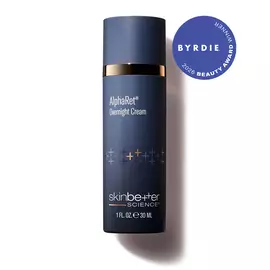
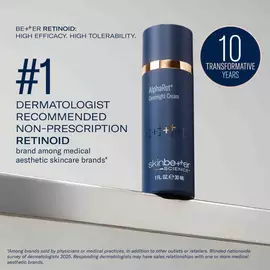
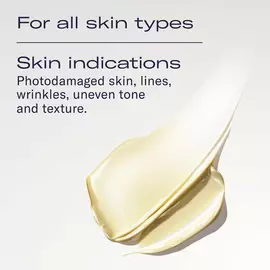
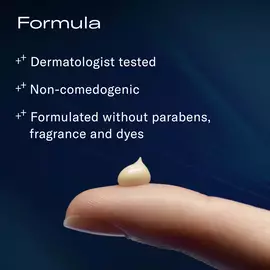
AlphaRet Overnight Cream


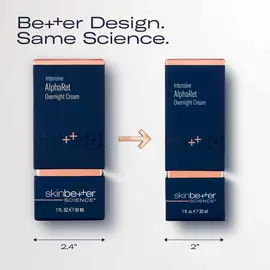
Intensive AlphaRet Overnight Cream


AlphaRet Clearing Serum

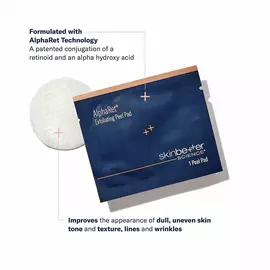

AlphaRet Exfoliating Peel Pads
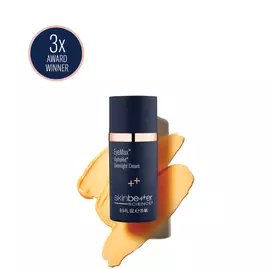
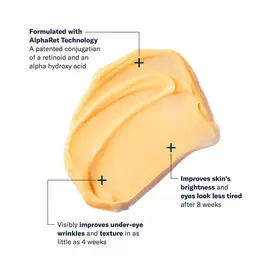

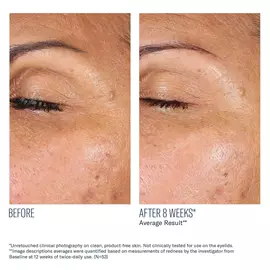
EyeMax AlphaRet Overnight Cream
Choosing the Right Retinoid for You
skinbetter science's Clinical & Scientific Affairs team guides every product and article through the brand's three-pillar standard: proprietary biotech innovation, rigorous clinical substantiation, and ongoing collaboration with dermatologists, plastic surgeons, and other aesthetic medicine physicians. Built on decades of pharmaceutical and dermatologic expertise and backed by L'Oréal Dermatological Beauty, the team translates emerging skin science into content reviewed for clinical accuracy.
Frequently Asked


